
Table of Contents
- What Emotional Resilience Really Means for Kids
- Help Your Child Name and Accept Their Emotions
- Scripts for Teaching Emotional Regulation in Real Moments
- How to Help a Child Handle Disappointment and Setbacks
- Activities to Build Resilience in Children
- Model Healthy Responses to Your Own Mistakes
- Resilience Building Tools for Families
- Conclusion
- Frequently Asked Questions
What Emotional Resilience Really Means for Kids
Emotional resilience is the ability to handle tough feelings and bounce back from setbacks. It’s not about never feeling sad, angry, or disappointed. It’s about moving through those feelings and trying again.
Many parents think resilience means “toughing it out” or staying positive no matter what. To teach kids emotional resilience, help them name their feelings, sit with discomfort for a bit, and then take a next step, even a small one.
Kids who develop emotional resilience may be more likely to try new things, handle mistakes without shutting down, and ask for help when they need it.
Help Your Child Name and Accept Their Emotions
Kids can’t manage feelings they can’t name. If your child just knows they feel “bad,” they’re stuck.
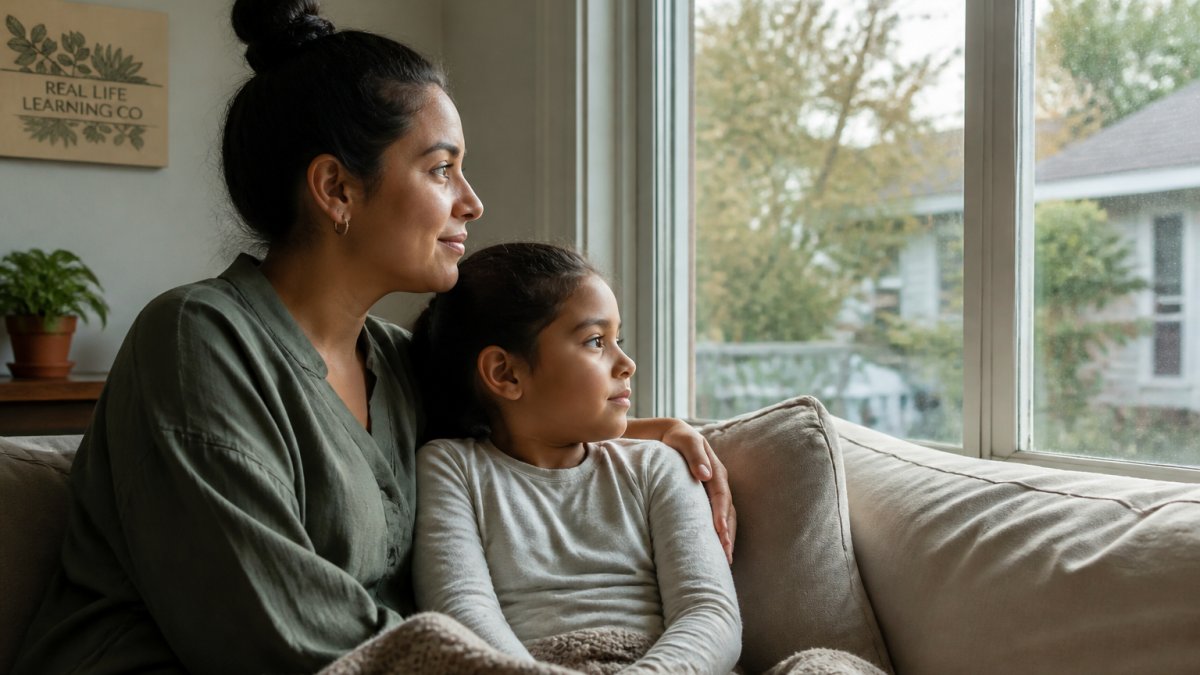
Start by naming emotions out loud when you see them:
- “You look frustrated right now”
- “I think you’re feeling disappointed”
- “That seems to make you angry”
Just name what you observe, this teaches them the vocabulary and shows it’s safe to have these feelings. Accept the feeling without trying to fix it immediately.
My Daily Journal 2.0 can help kids reflect on feelings and notice patterns over time, giving them a quiet way to process emotions and see that feelings change.
Scripts for Teaching Emotional Regulation in Real Moments
Real teaching happens in the moment, when your child is actually struggling. These scripts give you words to use when it matters most.
When your child loses a game or makes a mistake
What they might say: “I’m so stupid. I always lose.”
Your response: “I see you’re upset. You made a mistake, that doesn’t make you stupid. Everyone makes mistakes. What’s one thing you did well in that game? Next time, what could you try differently?”
This teaches them that mistakes are information, not proof they’re bad.
When plans change or disappointment strikes
What they might say: “This is the worst day ever. I hate this.”
Your response: “I know you were looking forward to that. It’s okay to feel disappointed. What’s one small thing we could do instead today? I’m disappointed too, but we can handle this together.”
This shows them that disappointment is real and manageable.
When friendship or schoolwork feels hard
What they might say: “Nobody likes me” or “I can’t do this.”
Your response: “That sounds really hard. Tell me what happened.” (Listen without fixing.) Then: “This is tough, and you’re still trying. What do you need from me, help or just listening?”
This separates the situation from their worth and gives them agency.
How to Help a Child Handle Disappointment and Setbacks
When disappointment hits, your child can’t problem-solve yet. Help them feel safe first.
Step 1: Validate. “That’s really disappointing. I understand why you’re upset.”
Step 2: Let them feel it. Don’t rush to the bright side.
Step 3: Ask questions (when calmer). “What happened?” “What did you want instead?” “What could help?”
Different kids need different amounts of time between steps, some bounce back in minutes, others need hours.
Activities to Build Resilience in Children
Resilience is built through small, manageable challenges your child can work through, matched to their developmental stage.
For toddlers and preschoolers (ages 2-5)
At this age, resilience looks like tolerating small frustrations and accepting comfort from you.
-
Age-appropriate struggles with your nearby support. Let them attempt tasks like putting on shoes, stacking blocks, or opening a container. When stuck, say, “That’s tricky. What could you try?” or “Do you want help, or do you want to keep trying?” This teaches them that struggle means learning, not failure.
-
Naming feelings in the moment. When upset, get down to their level and say, “You’re frustrated. That’s okay.” Toddlers can begin to connect feelings with words and your calm presence.
-
Celebrate effort and trying. “You kept trying even when it was hard” or “You asked for help, that was smart” teaches them that persistence and asking are strengths, not weaknesses.
-
Create a calm-down space. A corner with soft pillows, a favorite stuffed animal, or a quiet activity. When big feelings arrive, guide them there: “Your body needs a break. Let’s go to our calm spot.” This teaches them that feelings need space, not punishment.
For school-age children (ages 6-11)
At this stage, children can begin to problem-solve, reflect on what happened, and understand that effort leads to improvement.
-
Manageable challenges with a clear next step. Learning to ride a bike, trying a new sport, or tackling harder math. The challenge should be just beyond what they can do easily, with you coaching, not rescuing. Ask: “What could you try next?” or “What would help?” This builds the belief that problems have solutions.
-
Reflection after difficulty. When calm, ask: “What happened?” “What did you want instead?” “What’s one thing you’d do differently next time?” This turns experience into learning and shows them they have some control over outcomes.
-
Model trying again visibly. When you make a mistake, burning dinner, making an error at work, losing a game, say it out loud: “I messed that up. Let me try a different way.” This is one of the most powerful lessons you can teach.
-
Practice naming feelings and noticing patterns. Use a journal or check-in conversations: “What feelings did you have today?” “When do you usually feel frustrated?” “What helps you feel better?” This builds emotional awareness and helps them recognize their own patterns.
-
Celebrate effort over outcome. “You kept trying even when you wanted to give up” or “You asked for help when you needed it” matters more than “You won.” This shifts their focus from being perfect to being persistent.
For preteens and early teens (ages 11+)
At this age, children can think more abstractly about resilience, understand that setbacks are temporary, and begin to develop their own coping strategies.
-
Bigger challenges with increasing independence. A harder school project, trying out for a team, or navigating a friendship conflict. Your role shifts to asking: “What’s your plan?” “What could go wrong, and how would you handle it?” “What do you need from me?” This builds confidence in their own problem-solving.
-
Reflection and journaling. Preteens benefit from writing about what happened, how they felt, and what they learned. My Daily Journal 2.0 offers space for feelings, reflections, and noticing growth. Looking back at past entries, they see they’ve gotten through hard things before.
-
Identifying their own coping strategies. Ask: “What helps you feel better when you’re upset?” “Do you like to talk about it, or do you need time alone?” “Does moving your body help?” This builds self-awareness and gives them agency over their own resilience.
-
Understanding that setbacks are temporary and informative. Help them see that a bad grade, friendship conflict, or not making a team doesn’t define them. Ask: “What can you learn from this?” “What would you do differently?” This reframes struggle as part of learning, not proof of failure.
Across all ages: physical activity and routine
Children who move, whether it’s running, dancing, playing outside, sports, or even a walk together, may handle stress and frustration more effectively. Movement can release physical tension and give their brains a break from the struggle.
When to seek additional support: If your child’s struggles with disappointment, mistakes, or change significantly interfere with daily life, avoiding school, withdrawing from friends, frequent unresolved meltdowns, or expressing hopelessness, a counselor or therapist can help.
Model Healthy Responses to Your Own Mistakes
One of the most powerful ways to teach kids emotional resilience is by watching you handle disappointment, frustration, and failure yourself.
What effective modeling looks like
When you make a mistake:
- Name it without shame. “I made a mistake. I’m going to try a different way.” This shows them mistakes are information, not character flaws.
- Show the feeling, then the action. “I’m frustrated. Let me think about what to try next.” Kids need to see you feel the emotion and move forward anyway.
- Ask for help when you need it. “I need help with this. Can you help me figure it out?” This teaches them asking for support is a strength.
When plans change or something disappoints you:
- Name your feeling. “I’m disappointed too. I was looking forward to that.”
- Show what you do next. “This isn’t what I wanted, but here’s what we can do instead.” This demonstrates disappointment is real and manageable.
- Involve them in problem-solving. “I’m stuck on this. What do you think we could try?” This shows struggle is collaborative, not isolating.
The balance: vulnerability without overwhelm
There’s an important distinction between modeling healthy struggle and burdening your child with adult-sized problems. Your child needs to see you handle difficulty, but they also need to feel you’re the stable adult.
Model age-appropriate struggles:
- You made a mistake at work and you’re figuring out how to fix it.
- You’re frustrated with a task and trying a different approach.
- You’re disappointed about a plan change and adjusting.
Avoid burdening them with:
- Serious financial stress or job insecurity.
- Deep relationship conflict or marital problems.
- Your own mental health crisis.
The goal is for them to see you as someone who struggles, learns, and keeps going, not someone whose struggles they need to manage or fix.
What children actually absorb from your modeling
Children don’t learn resilience from watching you be perfect. They learn it from watching you:
- Acknowledge that something is hard.
- Feel the feeling without pretending it away.
- Take a next step, even a small one.
If they see you give up, blame others, or fall apart, they may learn to do the same. If they see you feel the feeling and move forward, they may internalize that as their own pattern.
Modeling in real time
Your child is watching you every day, how you handle a spilled coffee, a work frustration, a conflict with a friend, a plan that fell through. These small moments are your biggest teaching opportunities.
Over time, they’ll develop their own version of what you’re modeling. They may not handle things exactly as you do, and that’s fine. But they’ll have internalized the belief that struggle is survivable and that they can move through it.
Resilience Building Tools for Families
Beyond daily conversations, a few simple tools can help your family build and track resilience over time.
Journaling helps kids process feelings and notice growth. My Daily Journal 2.0 includes space for feelings, reflections, and affirmations.
Gratitude practices build resilience by helping kids notice what’s working, even on hard days.
Affirmations work best when specific and honest.
Sticker charts or progress trackers help younger children see they’re building skills. The Emotion & Affirmation Stickers let kids mark moments when they handled big feelings or tried something hard.
Routines create safety.
The best tool is consistent, warm presence.
Conclusion
Teaching kids emotional resilience means helping them name feelings, move through disappointment, and try again. It’s not about never struggling. It’s about struggling with support.
Start small. Pick one situation where your child often struggles, losing a game, making a mistake, or handling change. Practice your response. Notice what helps.
Remember: resilience isn’t built in one big moment. It’s built in a hundred small moments where your child feels heard, accepted, and encouraged to keep going.
Frequently Asked Questions
How can I get my child to open up about their feelings?
Start by naming emotions you see: ‘You look frustrated right now.’ Create calm moments without distractions, car rides, walks, or bedtime are often easiest. Ask open questions like ‘What happened?’ or ‘How did that feel?’ rather than yes-or-no questions. Accept whatever they share without judgment, and avoid immediately trying to fix the problem. When children feel heard, they’re more willing to talk next time. Some families find that journaling or drawing feelings helps kids who struggle with words.
What are age-appropriate ways to teach emotional resilience?
Young children (ages 4-6) need simple feeling words and lots of modeling. Let them see you handle frustration calmly. School-age kids (7-10) can learn problem-solving steps and reflect on what helped them through a tough moment. Tweens and early teens benefit from discussing their feelings more deeply and identifying their own coping strategies. All ages need to know that big feelings are normal and that struggling sometimes is part of growing. Avoid pushing children to ‘tough it out’ or stay positive when they’re genuinely upset.
How do I model healthy responses to mistakes for my child?
Let your child see you make small mistakes and recover from them. Say things like ‘I burned dinner tonight. That’s frustrating, but we can order pizza and I’ll try again tomorrow.’ Avoid harsh self-criticism or pretending you never mess up. When you handle your own disappointment or error with calm problem-solving instead of shame, your child learns that mistakes are fixable and don’t define you. This is one of the most powerful ways children learn resilience, not through lectures, but through watching you live it.
What should I do when my child struggles with schoolwork or games?
Resist the urge to jump in and fix it immediately. Let them struggle a little, that’s where resilience grows. Ask ‘What do you want to try next?’ or ‘What would help?’ If they’re frustrated, pause the activity and come back later. Celebrate effort and small progress, not just success. When they do overcome something hard, ask them to reflect: ‘What did you do that helped?’ This builds their awareness of their own problem-solving skills and makes them more likely to try again when things get tough.
At Real Life Learning Co, we create resources that help families build these moments into their everyday life. Our tools, from journals to affirmation stickers, are designed to support the real, messy work of raising resilient kids. Explore My Daily Journal 2.0 and other resources to help your family practice emotional resilience together.