
Table of Contents
- Why Seasonal Rhythms Matter for Family Growth
- Winter: Reflection, Connection, and Gratitude Practices
- Spring: Renewal and Simple Life Skills for Elementary Students
- Summer: Independence, Exploration, and Real-Life Learning
- Fall: Homeschool Family Goal Setting and New Beginnings
- Building Your Family’s Seasonal Growth Plan
- Frequently Asked Questions
Why Seasonal Rhythms Matter for Family Growth
The changing seasons offer natural rhythms that can anchor your family’s growth. When you align family activities with what’s happening outside your window, learning feels less forced and more like living.
Seasonal family growth happens most naturally when you work with each season rather than against it. Winter invites reflection. Spring calls for renewal. Summer opens doors to independence. Fall brings fresh starts.
This doesn’t mean your family needs an elaborate calendar or a packed schedule. It means noticing what each season naturally offers and choosing a few meaningful experiences that fit your family’s actual life. A winter evening spent sharing gratitude around the dinner table costs nothing. A spring afternoon learning to plant seeds teaches real skills. A summer day exploring your neighborhood builds independence. A fall conversation about goals plants seeds for the year ahead.
Seasonal rhythms create natural opportunities for everyone to learn together. Younger kids thrive with hands-on, sensory activities, while older children can engage in deeper reflection and goal-setting conversations.
Winter: Reflection, Connection, and Gratitude Practices
Winter slows everything down. The darker days, cooler temperatures, and indoor time create space for reflection and connection that often gets lost in busier seasons. This is when families naturally gather, and when deeper conversations become possible.
Reflection practices don’t require special materials. Ask your children what they’re proud of from the past year, what was hard, what they learned, and what surprised them. Repeated conversations help children develop self-awareness and notice patterns in their own growth.
Gratitude practices take many forms: a gratitude jar, sharing at dinner, or journaling. The format matters less than consistency. When gratitude becomes a winter habit, children begin noticing small things, a favorite meal, time with a sibling, a sunny afternoon, that they might otherwise overlook.
Connection deepens through ordinary activities: board games, cooking projects, movie nights, building forts, or reading together. These build the emotional foundation that supports all other growth.
Free and Low-Cost Winter Activities
Winter offers abundant free or nearly-free activities that support family connection and learning:
-
Nature walks in winter. Notice bare tree branches, animal tracks in snow, winter birds. Collect natural items for crafts or sensory play. Younger children love jumping in puddles; older children can sketch what they observe or keep a winter nature journal.
-
Cooking and baking projects. Involve children in preparing family meals or holiday treats. Younger kids can stir, pour, and decorate. Older children can follow recipes, measure ingredients, and learn about ratios and timing.
-
Community service. Visit a local food bank, shovel snow for an elderly neighbor, or create care packages for people experiencing homelessness. Children of all ages can participate in ways that match their abilities.
-
Story-sharing and family history. Ask grandparents or older relatives to share stories about their childhood or family traditions. Record these if possible. Children learn family history and develop listening skills.
-
Indoor movement and games. Create an obstacle course, have a dance party, play charades, or build with blocks. Movement matters in winter when outdoor time is limited.
Winter can be a good season for establishing reflection habits. When you start in winter’s naturally quieter pace, these practices may feel less forced and more sustainable through busier seasons.
Spring: Renewal and Simple Life Skills for Elementary Students
Spring brings renewal and growth. This is when families naturally turn toward learning new skills and trying new things.
Simple life skills emerge through everyday spring activities. Planting seeds, in a garden, pots, or community plot, teaches growth, patience, and responsibility. Younger children enjoy getting their hands in soil; older children can research plant needs, track growth, and understand cause and effect.
Seasonal cooking in spring, with fresh vegetables and farmers markets, lets children select produce, learn what’s in season, and prepare meals. This builds knowledge about food and nutrition while developing practical kitchen skills.
Outdoor cleanup and yard work teach responsibility. Younger kids enjoy the physical activity; older children can plan layouts or research which plants attract pollinators.
Growth Mindset Activities for Spring
Spring’s energy of renewal pairs naturally with growth mindset conversations, the belief that abilities develop through effort.
Use growth mindset language when children encounter challenges: “I can’t do this yet,” “Mistakes help me learn,” and “Effort makes me stronger.”
Create opportunities for children to practice new skills and notice their own progress. When children notice themselves improving, “I can ride farther than last week”, they understand that effort creates change.
Explore Real Life Learning Co →
Celebrate effort and process, not just outcomes. “You worked really hard on that” or “I noticed you tried a different approach when the first one didn’t work” teaches children that the work itself matters, not just success.
Spring’s energy can be a good time to introduce new skills and reinforce the idea that learning takes practice and that mistakes are part of growth.
Summer: Independence, Exploration, and Real-Life Learning
Summer’s extended time and freedom create conditions where independence naturally grows. When children explore, make choices, and tackle real projects, they develop confidence and capability.
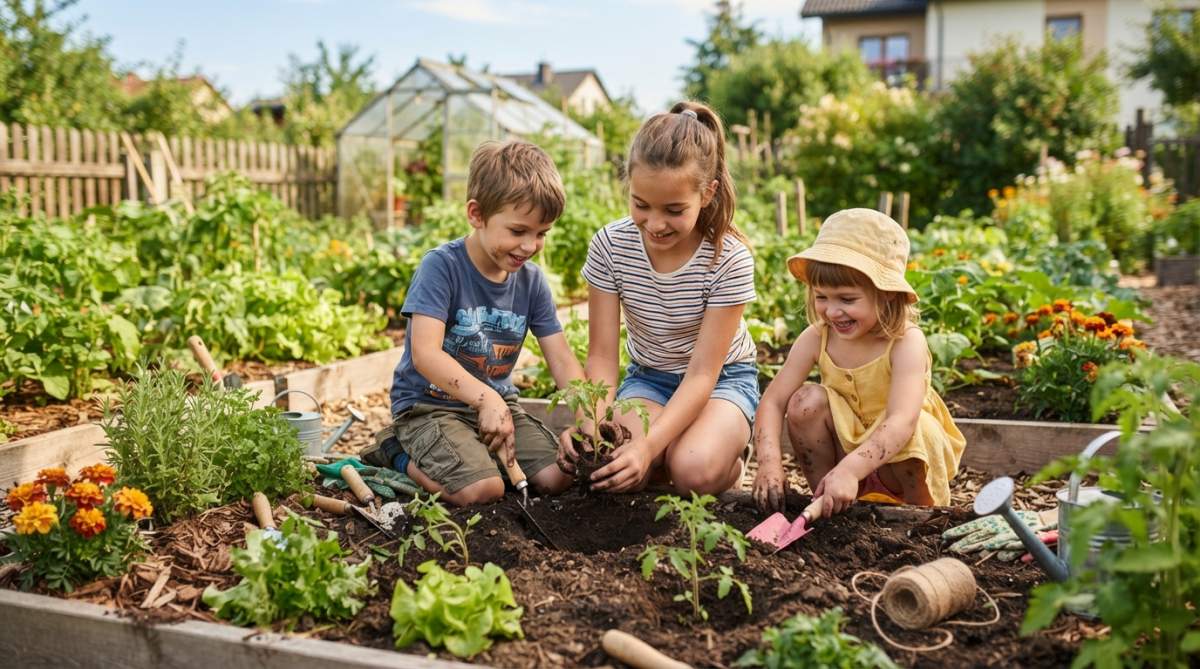
Real-life learning happens through projects that matter: a child interested in cooking can plan meals, one interested in building can design something, one interested in nature can research ecosystems. Match projects to genuine interests and give real responsibility.
Independence grows through graduated freedom.
Preventing Summer Boredom Without Overscheduling
Meaningful summer growth can happen in unstructured time. Children may benefit from boredom sometimes; it can be when creativity emerges and independence develops.
-
Library programs and resources. Most libraries offer free summer reading programs, story times, and access to books, audiobooks, and digital resources.
-
Parks and natural areas. Explore different parks, trails, or natural spaces in your area. Bring a journal, sketchbook, or field guide. Notice plants, animals, and seasonal changes.
-
Community events. Many communities offer free or low-cost concerts, movie nights, festivals, or outdoor activities during summer.
-
Skill-building projects. Help a child learn something they’re genuinely interested in: a craft, sport, musical instrument, cooking skill, or building technique. Learning happens faster when motivation is intrinsic.
-
Helping and service. A child might help a neighbor with yard work, volunteer at an animal shelter or food bank, or support a younger sibling’s learning.
-
Extended family time. Visits with grandparents, cousins, or other relatives often include natural learning and connection.
Fall: Homeschool Family Goal Setting and New Beginnings
Fall carries the energy of new beginnings. School years start, routines shift, and families naturally think about fresh starts, an ideal time for goal-setting and reflection.
Creating a Family Vision for the School Year
A family vision differs from a checklist of goals. It’s a picture of what your family wants to create together during the coming year. It might include how you want to feel, what values matter most, what you want to learn or experience together, or what you hope to accomplish.
A family vision might include:
- Learning goals: specific skills or knowledge areas each person wants to develop
- Connection goals: how you want to spend time together, what experiences you want to share
- Wellness goals: movement, sleep, time outside, or other health practices
- Contribution goals: how you want to help others or care for your community
- values: what matters most to your family and how you want to live those values
Avoid creating a vision or goal list so ambitious that it creates stress rather than clarity. The goal is to guide your family’s choices and energy, not to create pressure. Choose a few meaningful priorities rather than trying to do everything.
Building Your Family’s Seasonal Growth Plan
Creating a seasonal family growth plan doesn’t require a complicated system. It requires noticing what each season naturally offers and deciding how your family wants to engage.
Start simple. Choose one seasonal practice for each season:
- Winter: A reflection or gratitude practice
- Spring: A skill-building project or renewal activity
- Summer: An independence or exploration opportunity
- Fall: A goal-setting or vision-creation conversation
| Season | Natural Focus | Sample Activity | Real-Life Benefit |
|---|---|---|---|
| Winter | Reflection & connection | Gratitude practice, family conversations | Deeper self-awareness, stronger relationships |
| Spring | Renewal & skill-building | Planting, cooking, learning new skills | Practical competence, confidence |
| Summer | Independence & exploration | Projects, community exploration, unstructured time | Agency, problem-solving, self-direction |
| Fall | Goal-setting & new beginnings | Vision creation, goal-setting conversations | Clarity, ownership, intentional engagement |
Frequently Asked Questions
How can families set meaningful goals together for seasonal family growth?
Gather everyone and ask what each person hopes to learn, try, or improve during the season. Write goals down and post them somewhere visible. For younger children, draw or use pictures. Revisit goals monthly and celebrate small progress. Seasonal family growth works best when everyone has a voice in what matters to your family, not what looks good on social media. Simple, specific goals, like ‘learn to cook one new meal’ or ‘read together three times a week’, stick better than vague ones.
What are simple ways to practice family gratitude practices without adding more to your plate?
Gratitude doesn’t require special materials or extra time. At dinner, ask everyone to share one thing they’re grateful for. During car rides, notice things you see and appreciate. Before bed, reflect on one good thing that happened. Some families keep a simple jar where anyone can drop notes about moments they appreciated. The goal is consistency, not perfection. Even five minutes of genuine gratitude conversation shapes how children notice the good around them.
How do I teach simple life skills for elementary students without making it feel like a chore?
Integrate skills into real family life. Have children help cook dinner, sort laundry, care for pets, or plan a meal. When kids see their work matters to the family, they’re more engaged. Start with one skill per season and practice it together. Let them lead sometimes and make mistakes safely. Real-life learning happens through doing, not worksheets. Children who participate in household tasks develop confidence, competence, and a sense of belonging.
Can seasonal family growth activities work for kids of different ages at the same time?
Yes. Adjust expectations and roles by age. A winter gratitude practice works for everyone, younger children draw or name one thing, older children write or reflect deeper. Summer exploration looks different for a kindergartener and a middle schooler, but both can participate. Homeschool family goal setting includes everyone: younger kids set simple goals, older kids set more complex ones. The key is choosing activities flexible enough to meet each child where they are, rather than expecting one-size-fits-all participation.